
0
Exploring Class AB Power Amplifier Boards and Modules
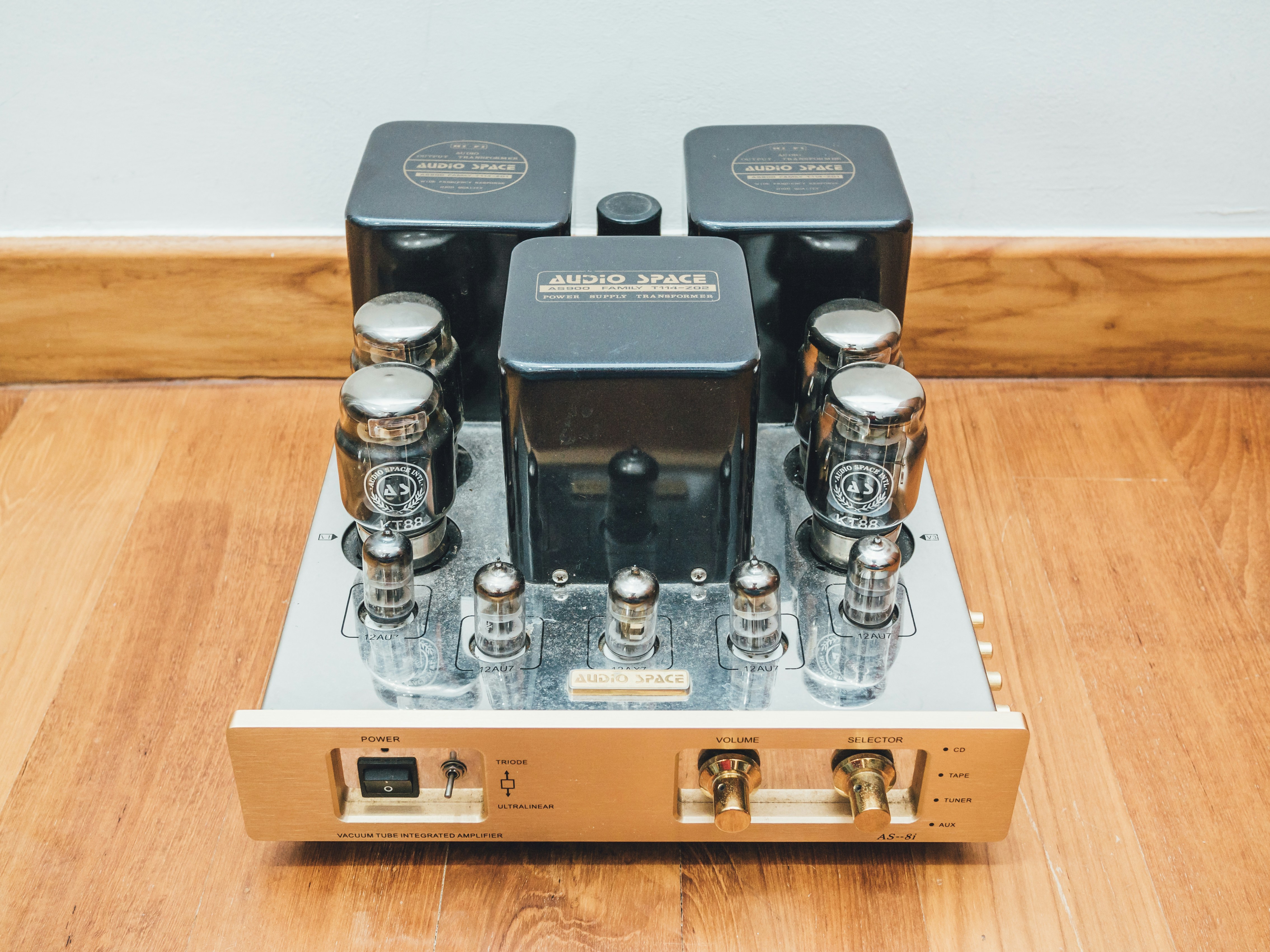
Introduction to Power Amplifiers
Power amplifiers are critical components in a variety of electronic circuits, serving the primary function of increasing the power level of signals. They play a vital role in both audio and radio frequency (RF) applications, transforming low-power input signals into higher-power outputs that can drive speakers, antennas, or other loads. Power amplifiers are essential for enhancing sound quality in audio equipment, as well as for ensuring effective signal transmission in communication systems.
The evolution of amplifier technology has witnessed significant advancements over the decades. Early amplifiers primarily made use of vacuum tubes, which were eventually replaced by solid-state devices utilizing transistors. This transition brought about improvements in performance, efficiency, and reliability. As technology progressed, various amplifier classes emerged, each offering different trade-offs regarding power efficiency and linearity. Among these, Class AB amplifiers are particularly notable for their ability to deliver high output power while maintaining decent efficiency and lower distortion levels.
Class AB amplifiers combine the features of Class A and Class B operation, where they conduct current in a manner that minimizes distortion while also optimizing power consumption. This design allows them to deliver high-quality audio signals with improved efficiency, making them prominent in home audio systems, musical amplification, and professional sound reinforcement. Furthermore, Class AB technology has garnered attention in RF applications, where maintaining signal fidelity is paramount.
In essence, power amplifiers are indispensable in modern electronic systems, facilitating the seamless amplification of signals in various domains. The significance of these devices cannot be understated, as they lay the groundwork for innovations that continue to shape the electronic landscape. The following sections will delve deeper into Class AB power amplifier boards and modules, exploring their designs, applications, and implications in contemporary audio and RF technologies.
What is Class AB Amplification?
Class AB amplification represents a hybrid approach between Class A and Class B amplification, designed to leverage the benefits of both while mitigating their shortcomings. This amplification method is characterized by a design that allows the output stage to operate in Class A under low signal conditions and switch to Class B for higher signal levels. The operational principles of Class AB amplifiers rely on the conduction angle, which typically expands beyond 180 degrees but remains below 360 degrees. This results in a configuration that minimizes crossover distortion, a common issue in Class B designs.
The inherent characteristics of Class AB amplification contribute significantly to its popularity among audio engineers and audiophiles alike. One of the primary advantages is its ability to maintain a relatively high efficiency, often achieving figures around 50% to 70%. This efficiency is vital in optimizing power usage, particularly in applications where energy consumption is a concern. Additionally, Class AB amplifiers provide better linearity and reduced distortion levels compared to their Class B counterparts, making them suitable for high-fidelity audio reproduction where clarity is paramount.
Another aspect that makes Class AB amplification desirable is its thermal stability. Class A designs tend to generate a significant amount of heat due to constant current draw, which can lead to component stress and reduced longevity. In contrast, the Class AB approach allows the amplifier to operate cooler, which not only enhances the durability of the components but also contributes to a more stable performance. Furthermore, the versatility of Class AB amplifiers enables their application in various contexts, from consumer electronics to professional sound systems, highlighting their effective balance of performance and practicality.
Key Features of Class AB Amplifier Boards and Modules
Class AB amplifier boards and modules are renowned for their ability to combine the best attributes of both Class A and Class B amplifiers, presenting a range of essential features that contribute to their widespread use in audio amplification. One of the primary characteristics of these amplifiers is their biasing technique, which operates at a slight bias voltage that allows for reduced distortion rates while minimizing power consumption. This leads to high-fidelity sound reproduction, making Class AB amplifiers ideal for various audio applications where clarity and precision are paramount.
Another significant feature is thermal management, which plays a vital role in the reliability and longevity of Class AB amplifier boards. Due to the nature of their operation, these amplifiers can generate considerable heat, especially when operating at high output levels. Effective thermal management techniques, such as using heatsinks or active cooling systems, are implemented to dissipate this heat efficiently. These systems prevent thermal runaway, ensuring that the amplifier maintains consistent performance and protects against potential damage caused by prolonged overheating.
The output stage configuration in Class AB designs is equally crucial. Typically, these amplifiers utilize a complementary push-pull arrangement that dynamically adjusts the conduction of output transistors. This configuration not only enhances efficiency but also improves linearity, contributing to better sound quality. Numerous design considerations influence both the performance and reliability of Class AB amplifier modules, such as component selection, PCB layout, and the overall circuit architecture. Attention to these details ensures optimal performance in any application, from home audio systems to professional sound reinforcement setups.
In conclusion, the key features of Class AB amplifier boards and modules, including effective biasing techniques, robust thermal management, and advanced output stage configurations, significantly enhance their performance and reliability. These attributes make them a suitable choice for a variety of audio amplification needs.
Types of Class AB Amplifier Boards
Class AB amplifier boards come in various designs, each offering unique features and benefits that serve different applications. The main types include standalone units, integrated circuits (ICs), and modular designs. Understanding these categories can help users determine the most suitable option for their specific needs.
Standalone units are independent amplifier boards designed to be used as complete systems. They typically come equipped with everything necessary for operation, including power supplies and heat sinks. Standalone Class AB amplifiers are known for their high output power and efficiency, making them popular choices for high-fidelity audio systems. Users appreciate their ease of installation, as they can directly connect them to speakers without requiring additional components. However, one consideration is the space they occupy, which can be more significant than that of other types.
Integrated circuits, or ICs, represent a compact option for Class AB amplifier designs. These tiny chips can be easily integrated into larger electronic systems, making them suitable for space-constrained applications like portable devices. The advantages of ICs include reduced size and weight, lower power consumption, and simplified circuit design. However, they often require additional components, such as external transistors and capacitors, which must be accounted for during development. Their versatility has made them popular for various consumer electronics, including TVs, radios, and computer speakers.
Modular designs offer a flexible solution for users seeking to build custom amplification systems. These boards can be combined with different modules to create a tailored system that meets specific performance needs. This type of Class AB amplifier allows for easy upgrades and modifications, catering to the evolving requirements of audiophiles and hobbyists. Each module can focus on different functionalities, such as power handling or signal processing, which can enhance the overall performance of the amplifier system.
Applications of Class AB Amplifier Modules
Class AB amplifier modules have become a cornerstone in various industries, primarily due to their efficiency and sound quality. One of the most prominent applications is in audio engineering, where these amplifiers are commonly used in high-fidelity audio systems. Their ability to produce high output power while maintaining low levels of distortion makes them ideal for driving speakers in home theater systems, professional audio systems, and musical instruments. For instance, live sound reinforcement setups often incorporate Class AB amplifiers to ensure that the sound remains clear and powerful, even at elevated volumes.
Beyond audio engineering, Class AB amplifiers find significant use in telecommunications. These amplifiers are essential in enhancing transmission signals over long distances, as they provide the necessary gain without excessively increasing noise levels. Cellular base stations, for example, frequently employ Class AB modules to amplify signals, ensuring that communications remain clear and reliable. The balanced performance characteristics of Class AB amplifiers make them especially well-suited for radio frequency applications, where signal integrity is paramount.
Broadcast systems also rely heavily on Class AB amplifier technology. In television and radio broadcasting, these amplifiers are utilized to boost audio and video signals before transmission. Their capability to manage high power levels while minimizing distortion facilitates seamless signal propagation, which is crucial for maintaining broadcast quality. The adaptability of Class AB amplifiers ensures that they can be tailored for various broadcast technologies, making them a versatile choice in media production.
In conclusion, the applications of Class AB amplifier modules span several key industries, including audio engineering, telecommunications, and broadcast systems. Their unique blend of efficiency and sound fidelity allows them to excel in multiple real-world scenarios, showcasing their versatility and reliability in high-performance environments.
Comparing Class AB Amplifiers with Other Amplifier Classes
When evaluating various amplifier classes, it is essential to consider the fundamental differences between Class AB amplifiers and their counterparts, namely Class A, Class B, and Class D amplifiers. Each class possesses unique attributes that influence performance metrics such as efficiency, sound quality, and thermal management.
Class A amplifiers are renowned for their exceptional sound quality due to constant conduction of current through the output devices. However, this design incurs significant power losses, resulting in low efficiency, often less than 30%. The heat generated by Class A amplifiers requires effective cooling solutions, making them less practical for high-power applications. In contrast, Class B amplifiers improve efficiency, achieving around 50-70%, as the output transistors conduct for half the input signal cycle. Nevertheless, this approach can lead to crossover distortion, which may compromise sound fidelity.
Class D amplifiers have gained popularity for their high efficiency, typically exceeding 90%. By utilizing pulse-width modulation to control the output, Class D amplifiers create minimal heat, allowing compact designs. However, the sound quality may be impacted during audio signal reproduction, especially at higher frequencies and under certain conditions. This makes them less favorable for audiophiles seeking superior sound quality.
When comparing these amplifier classes, Class AB amplifiers emerge as a balanced option, combining the low distortion qualities of Class A with the efficiency of Class B. They typically operate with an efficiency ranging from 50 to 70%, providing a compromise between sound quality and thermal management. Class AB designs are widely adopted in audio applications, offering improved audio performance without the excessive heat typical of Class A amplifiers or the distortion issues found in Class B designs. Ultimately, understanding these comparisons allows users to make informed decisions based on their performance requirements and personal preferences.
Building Your Own Class AB Amplifier Board
Constructing a Class AB amplifier board can be an enriching and educational endeavor. First and foremost, it is essential to select the appropriate components for your amplifier design. The key components include transistors, resistors, capacitors, and the power supply. For the output stage, you will typically require complementary bipolar junction transistors (BJTs) or power MOSFETs, which will ensure efficient performance and minimal distortion.
Once you have sourced your components, it is beneficial to create a schematic diagram. This schematic will serve as a blueprint for your Class AB amplifier board, detailing the interconnections between the various components. Multiple software options are available for schematic design, allowing for easy adjustments and organizing your circuit layout. When laying out the PCB (Printed Circuit Board), consider factors such as component placement, signal routing, and thermal management. Adequate space for heat sinking will help ensure optimal heat dissipation, thus prolonging the lifespan of the transistors.
Next, safety precautions should be observed throughout the construction process. Begin by working in a well-ventilated area, especially when soldering, as fumes can be hazardous. Additionally, ensure that your workspace is clutter-free to prevent accidental shorts. Always check your connections before powering up the board to avoid damaging your components.
Troubleshooting is a critical part of building your own Class AB amplifier board. If the sound quality is poor or the output stage overheats, it may indicate incorrect biasing or bad connections. Using a multimeter, measure voltages at various points within your circuit to locate the source of any issues. By following these guidelines, you can successfully construct a Class AB amplifier that enhances your audio experience.
Popular Class AB Amplifier Brands and Products
The Class AB amplifier sector is populated with several reputable brands, each offering a range of products that cater to various market segments. Notable among these brands are brands such as NAD, Marantz, and Cambridge Audio, which have established themselves as leaders in the audio industry. These companies provide high-quality Class AB amplifiers renowned for their performance, reliability, and impressive sound reproduction.
NAD amplifiers, particularly their C 388 and C 275 models, have garnered positive reviews for their power output and sound clarity. The C 388, in particular, is noted for its versatility, equipped with features like built-in streaming capabilities and a high-fidelity digital-to-analog converter. Users frequently praise its ability to deliver rich audio while maintaining a balanced output across different frequency ranges.
Marantz is another notable contender, with models like the PM6007 and PM8006 receiving accolades for both aesthetic appeal and superior sound quality. The PM6007 boasts a well-rounded performance, enabling it to cater to diverse audio sources without compromising on sound integrity. In contrast, the PM8006 offers enhanced power and dynamic range, making it a favorite among audiophiles who appreciate a more robust auditory experience.
Cambridge Audio amplifiers, particularly the Azur 851A and AXA35, are recognized for their precise engineering and refined design. The Azur 851A stands out for its high-end specifications and community praise for its ability to manage complex musical passages seamlessly. Meanwhile, the AXA35 provides an entry-level option that does not skimp on performance, delivering a well-balanced sound that appeals to casual listeners.
Each of these brands brings specific strengths to the Class AB amplifier market, ensuring that consumers have a variety of options reflecting different needs and preferences. Potential buyers are encouraged to evaluate user reviews and specifications to make the most informed purchasing decision according to their audio desires.
Future Trends in Amplifier Technology
The field of amplifier technology is continuously evolving, particularly in the realm of Class AB power amplifiers. One of the emerging trends is the innovation in Class AB designs that aim to enhance performance while maintaining energy efficiency. Manufacturers are focusing on designing amplifiers that minimize power consumption without compromising audio fidelity. This is crucial as the demand for more energy-efficient products grows across various sectors, including consumer electronics and automotive applications.
Another significant trend is the integration of digital technologies with Class AB amplifiers. As digital signal processing (DSP) becomes increasingly common, amplifier designs are being refined to accommodate these advancements. Incorporating DSP allows for improved signal quality and the ability to implement sophisticated sound processing algorithms, which can enhance the overall listening experience. This convergence of digital and analog technologies signifies a shift towards more versatile amplifier systems that can cater to diverse user needs.
The demand for energy-efficient solutions is also reshaping the landscape of amplifier technology. With global initiatives emphasizing sustainability, both consumers and manufacturers are prioritizing energy efficiency. Class AB amplifiers are being designed to not only provide high-quality audio output but also consume less power during operation, aligning with broader energy conservation goals. This trend is particularly evident in portable audio equipment and electric vehicles, where power management is critical.
Finally, the ongoing research and development in material science and semiconductor technology are expected to yield innovative components that enhance the performance and efficiency of Class AB power amplifiers. As manufacturers explore new materials, such as advanced heat sinks and transistors that operate at lower voltages, the potential for breakthrough designs increases. These advancements will undoubtedly contribute to the future of amplifier technology, promoting greater efficiency and audio quality in diverse applications.